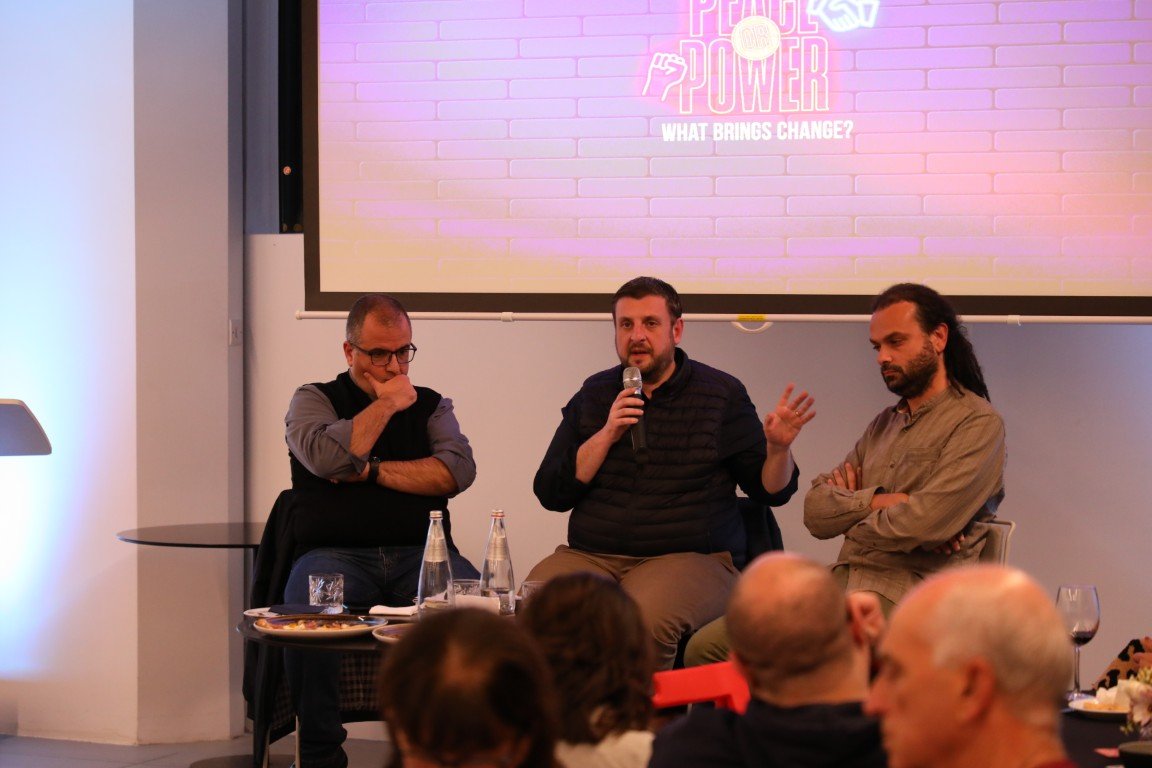

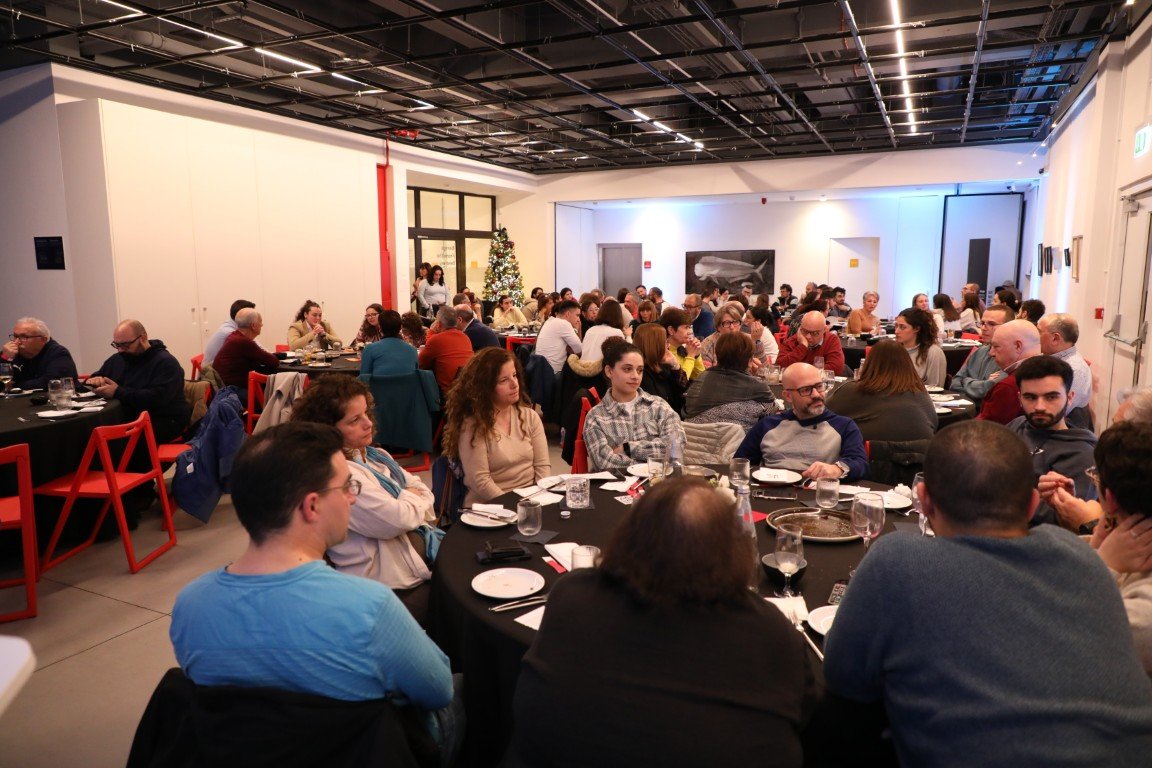
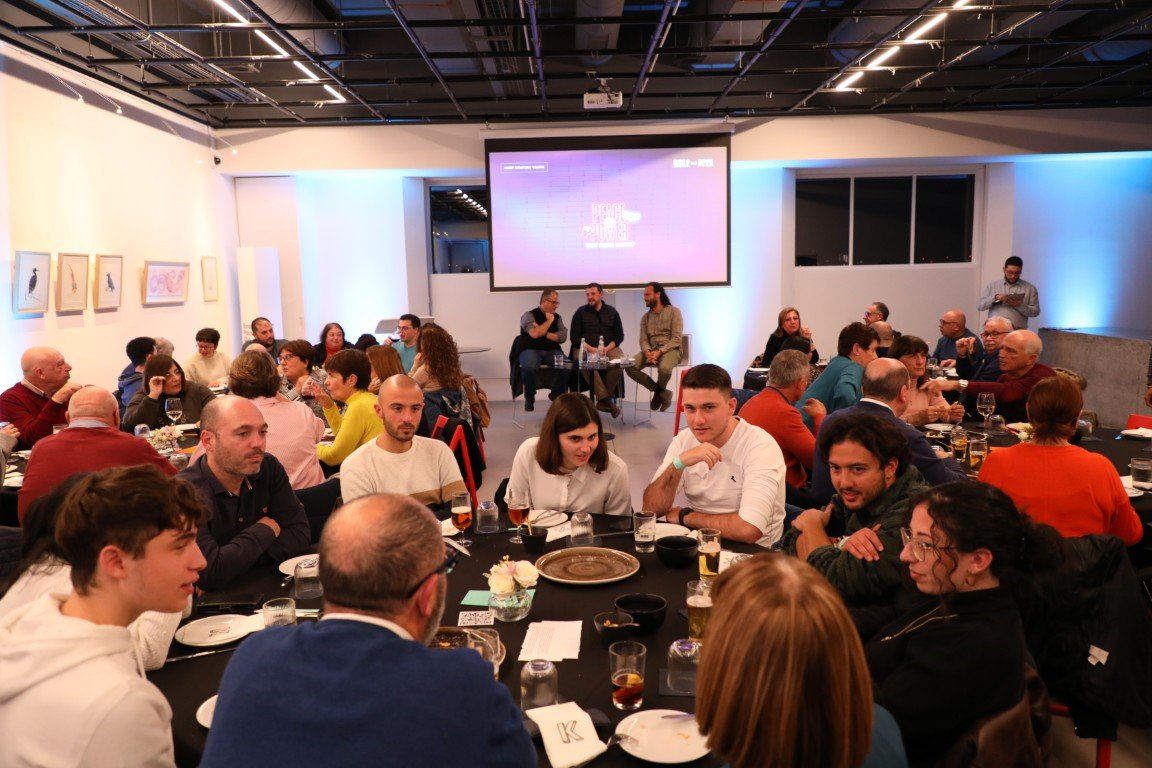
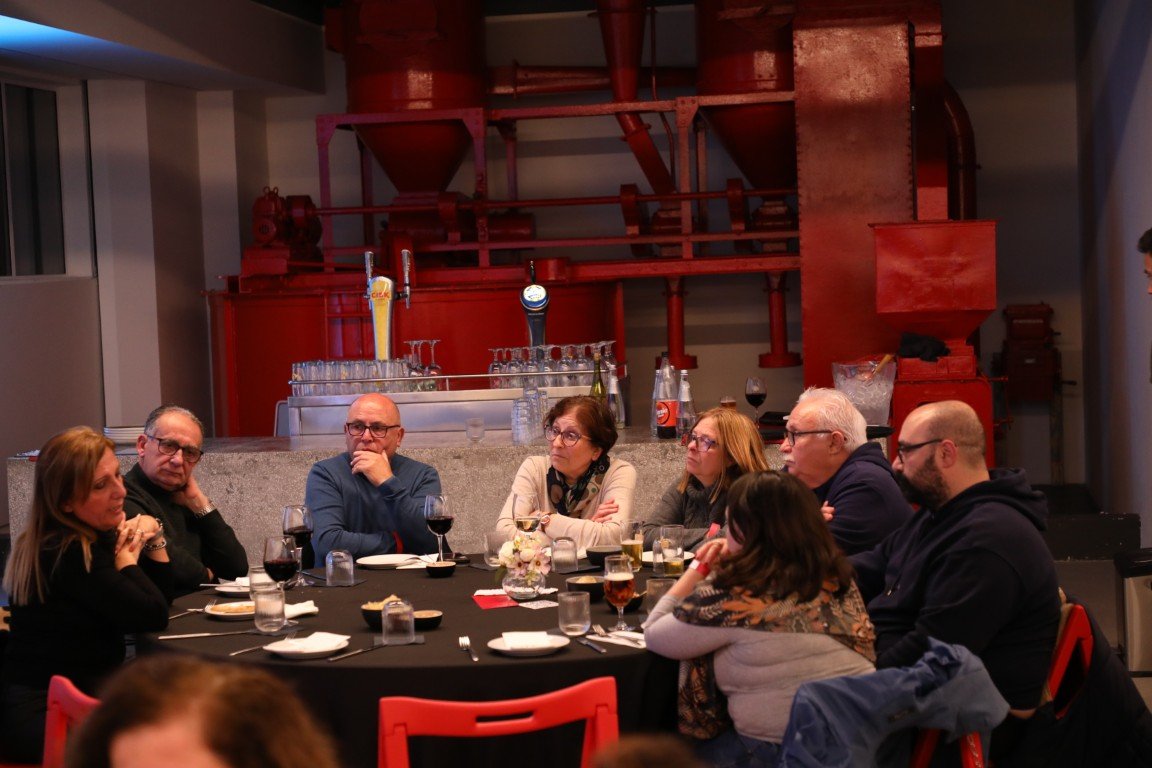
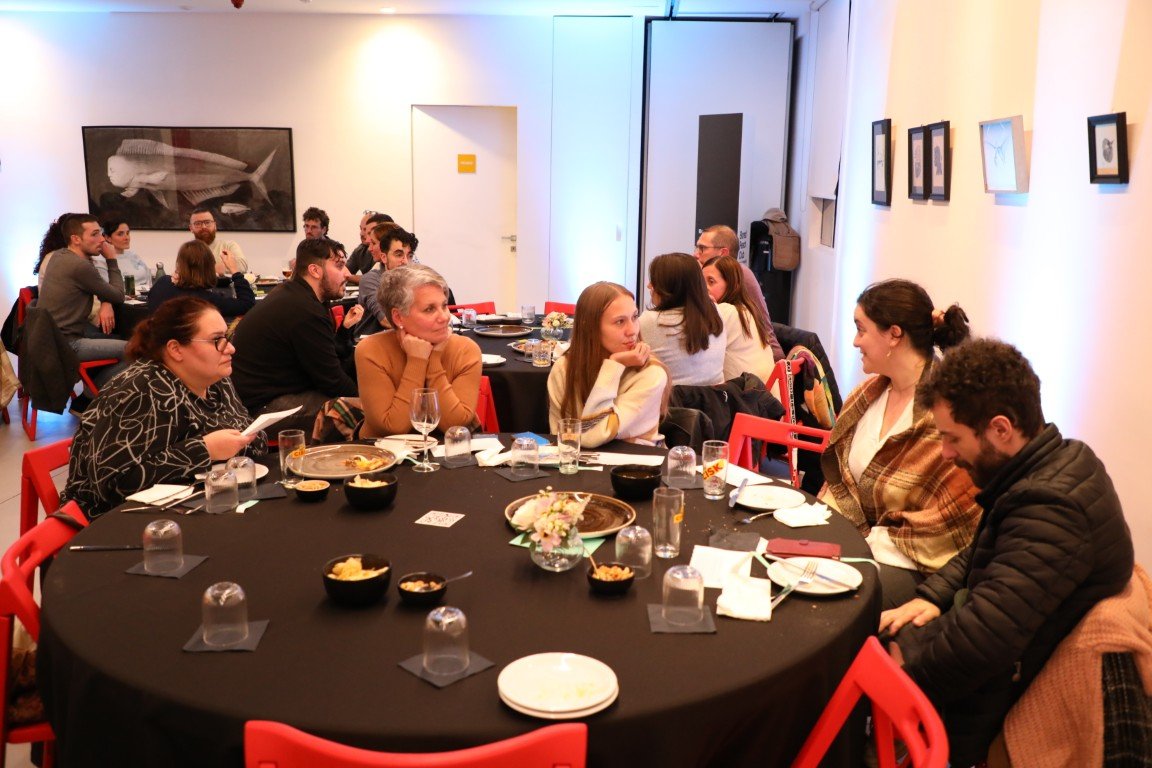
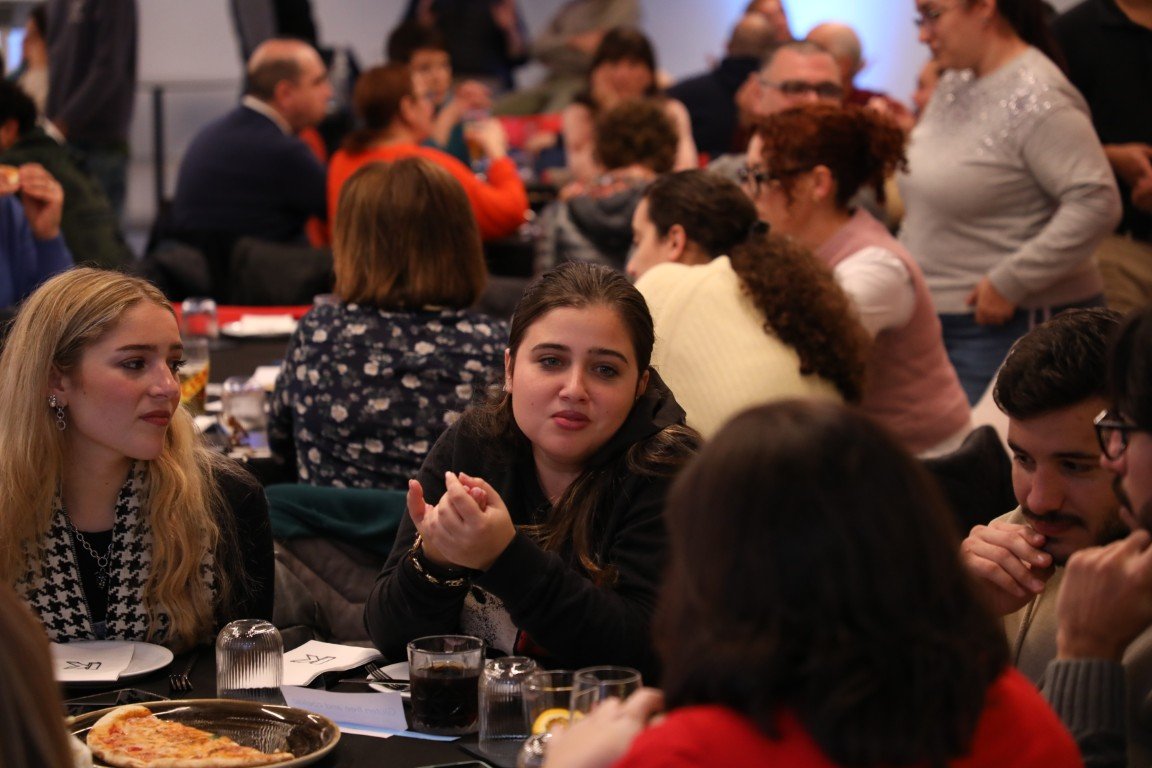
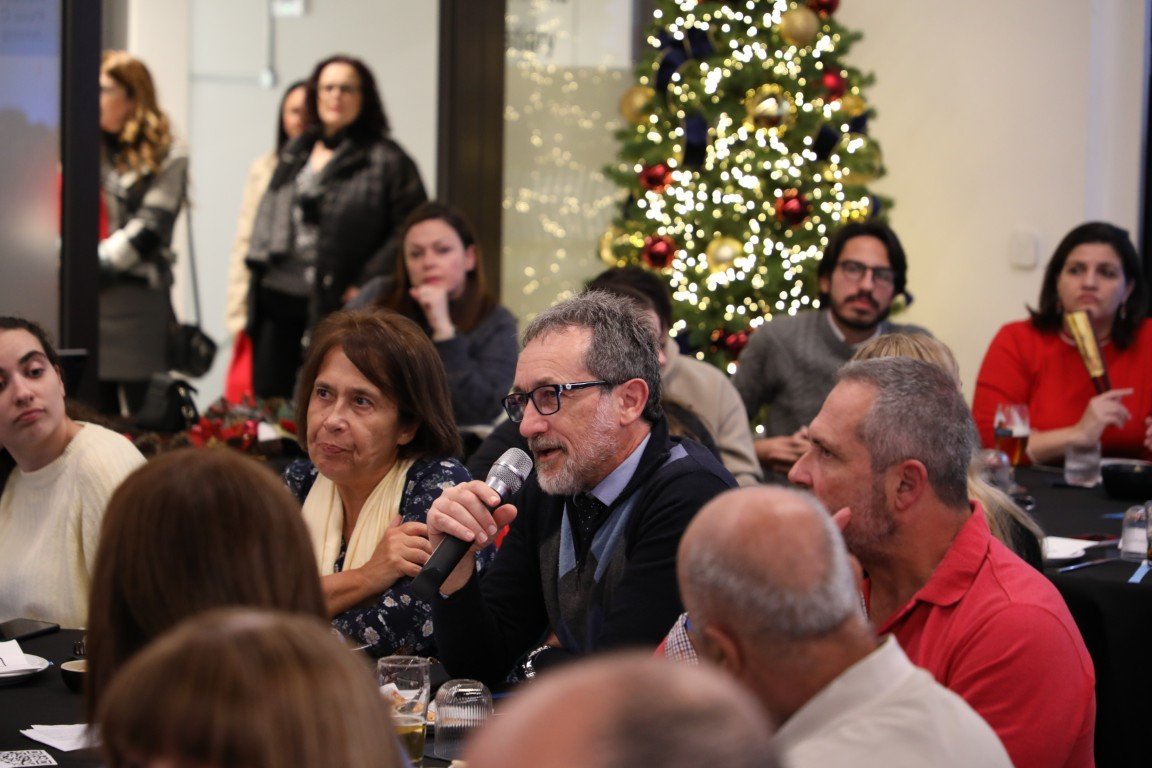
A public dialogue examining peace, power and structural violence drew a strong turnout this week, as the MSSP Oratory Youth opened its Bible and Beer series to the wider public for the first time. Organisers said the response confirms the growing appetite for calm, open spaces where complex issues can be explored without polarisation.
Bible and Beer is a contemporary approach developed by the Oratory youth community. Its title, which pairs sacred text with a casual drink, often sparks curiosity about whether the two can meaningfully coexist. The format is intentionally informal, designed to reach people who might not walk into more traditional settings. Over time it has become one of the most popular initiatives among the young people who participate in the Oratory’s programmes. They also choose the themes, ensuring the discussions remain grounded in real questions and concerns.
This latest session centred on peace and power, a topic chosen to help participants make sense of an international climate marked by geopolitical tension, and to consider whether ordinary citizens can influence the world around them. The evening examined the many expressions of violence, the demands of real peace and the kind of collective responsibility that can strengthen communities.
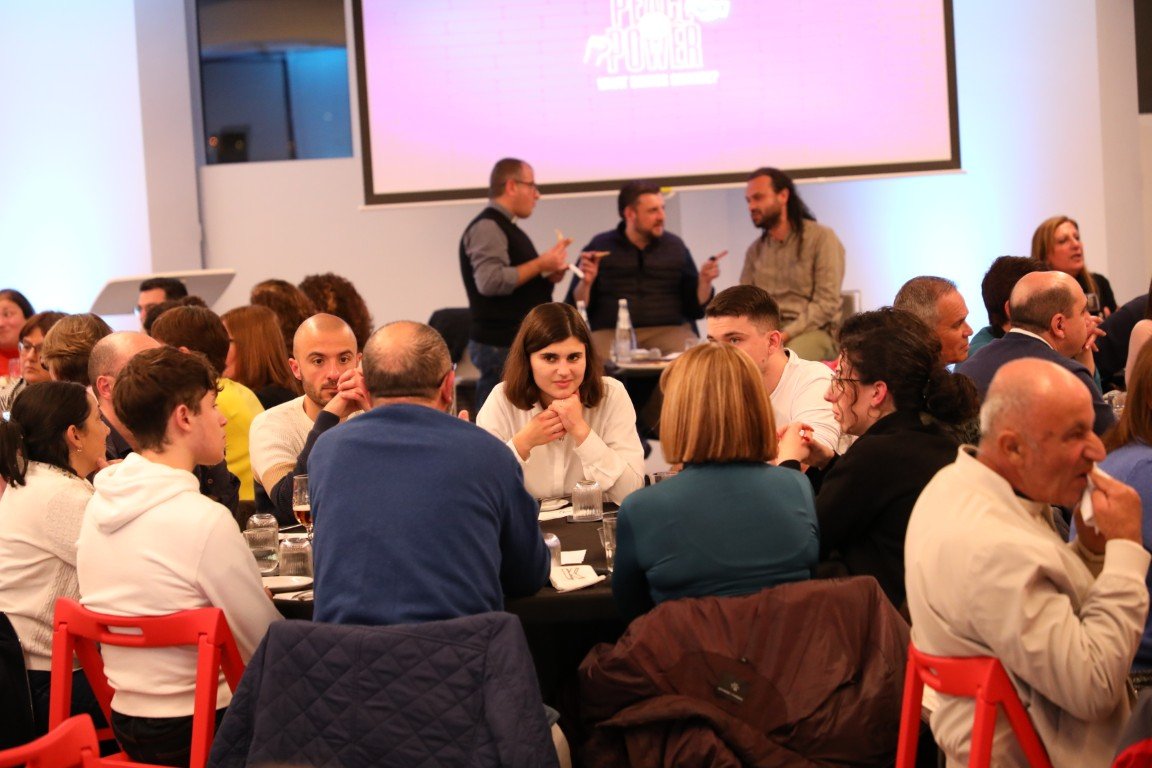
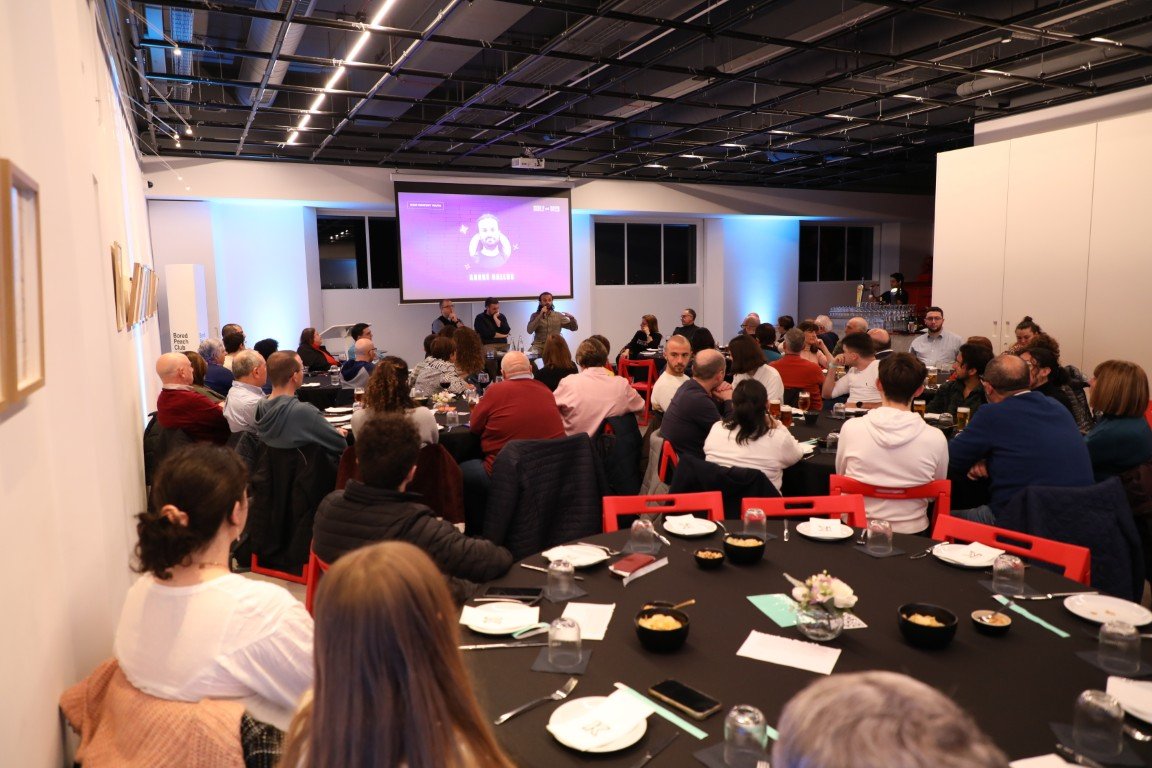
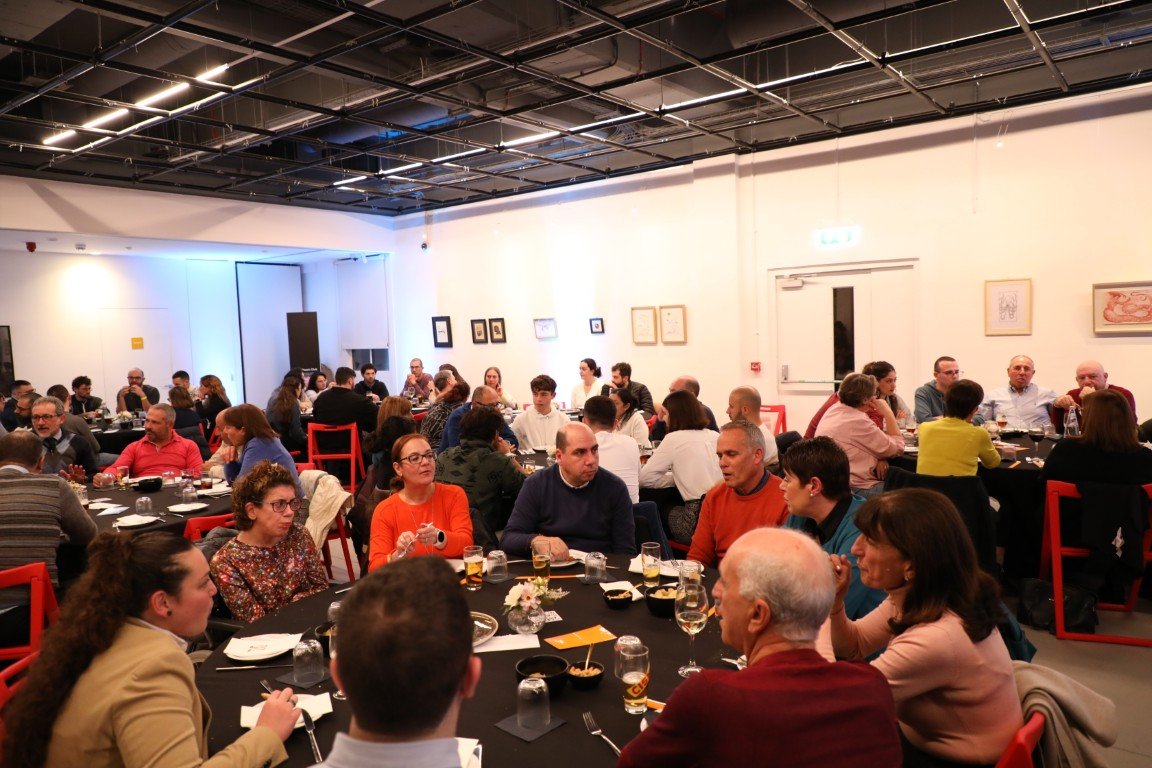
Activist André Callus opened the discussion by arguing that peace cannot be understood simply as the absence of open conflict. He described the hidden suffering tied to economic inequality, exploitation, precarious migration routes and environmental breakdown as forms of structural violence that shape everyday life. These systems, he said, operate without weapons yet limit people’s dignity and opportunities just as powerfully.
Callus described structural violence as the most pervasive and damaging form of harm, rooted in laws and economic systems that grant freedom to some while restricting the agency of others. Many citizens, he added, feel powerless in the face of global economic forces. Rebuilding a shared sense of power and solidarity, he argued, is essential if societies are to resist fear-driven political solutions that offer safety while deepening inequality. Peace without justice, he said, is no peace at all.
Philosopher Prof. Jean Paul De Lucca explored the relationship between personal agency and the structures that shape or limit it. He noted that Maltese has several words for power, each capturing a different aspect of ability, skill or influence. Peace, he said, should be the goal of political life, yet many people lack the tools or the space to act meaningfully. Friendship, fraternity and attentiveness to human dignity, he argued, are practical foundations for peace. Although individuals cannot change the world on their own, their actions still push circumstances in better or worse directions. The key question remains: What can I do?
Fr Ivan Attard OP reflected on the Christian responsibility to engage actively with injustice rather than remain silent. He said people can contribute to peace in the daily environments they inhabit, whether at home, at work or in their neighbourhoods. Drawing on Catholic Social Teaching, he emphasised that care for those who suffer is not optional but integral to Christian life. He warned against cultural habits that normalise injustice, from favour trading to the uncritical consumption of social media narratives, urging participants not to detach themselves from the struggles of others.
Attard called on citizens to participate through civic involvement, community networks or social initiatives, insisting that withdrawing into indifference is incompatible with the demands of faith or democracy. Even small actions, he noted, can be multiplied when offered in service of the common good.
The session closed with reflections on the pressures of contemporary life. Speakers noted that many people feel unable to pause without guilt, a sign of how deeply economic expectations shape daily rhythms. Constant busyness, they suggested, risks narrowing attention and weakening the ability to recognise what truly matters.
The organisers noted that the strong response to this edition of Bible and Beer shows that forums combining accessibility with intellectual and moral depth meet a real need. More public sessions are expected to take place later this season.