

When giving children every opportunity leaves little time for family
A child does not have to be the best footballer, pianist or student for a parent to have done a good job. But in the rush between school, work and extracurricular activities, that can be surprisingly easy to forget.
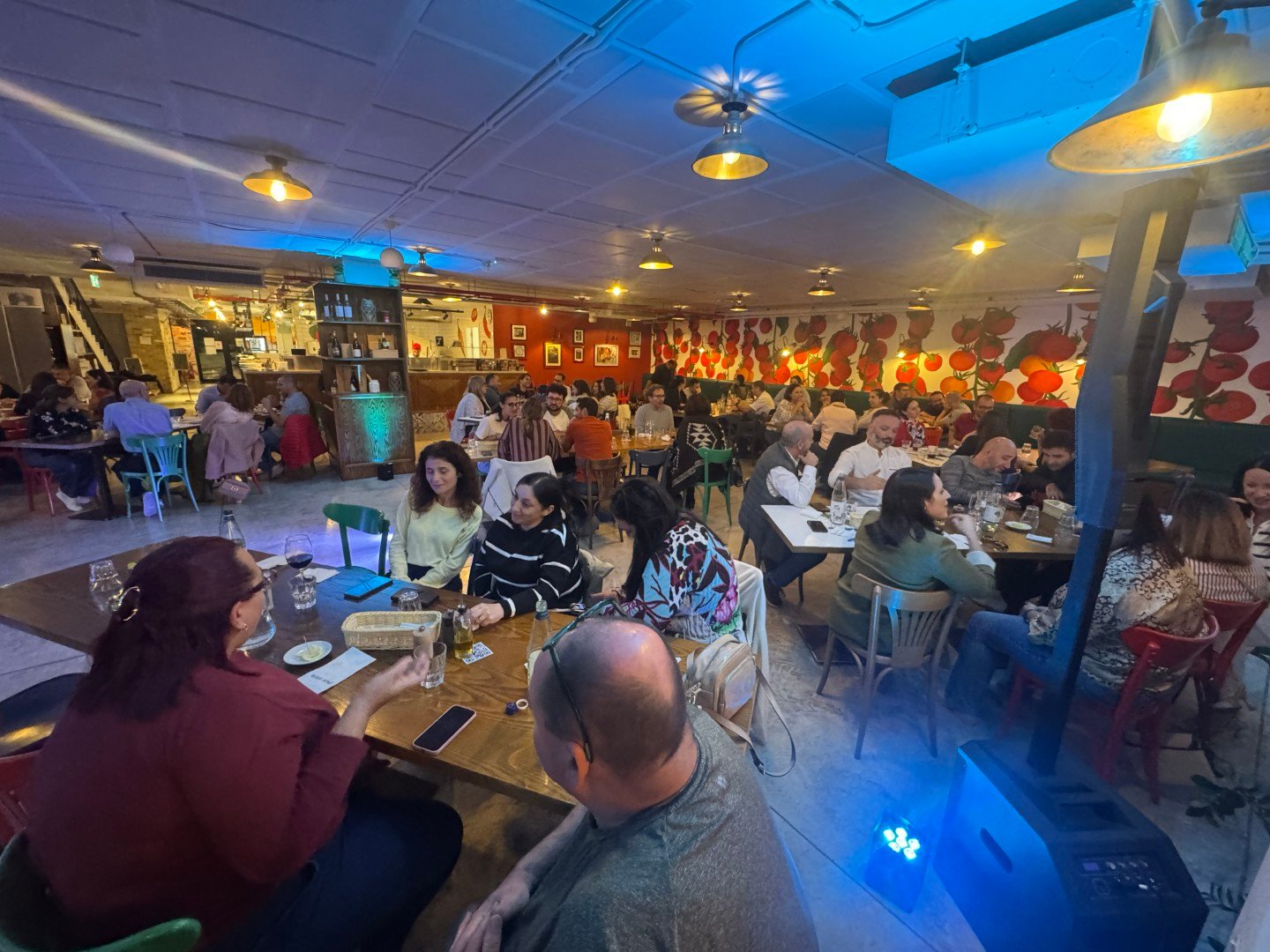
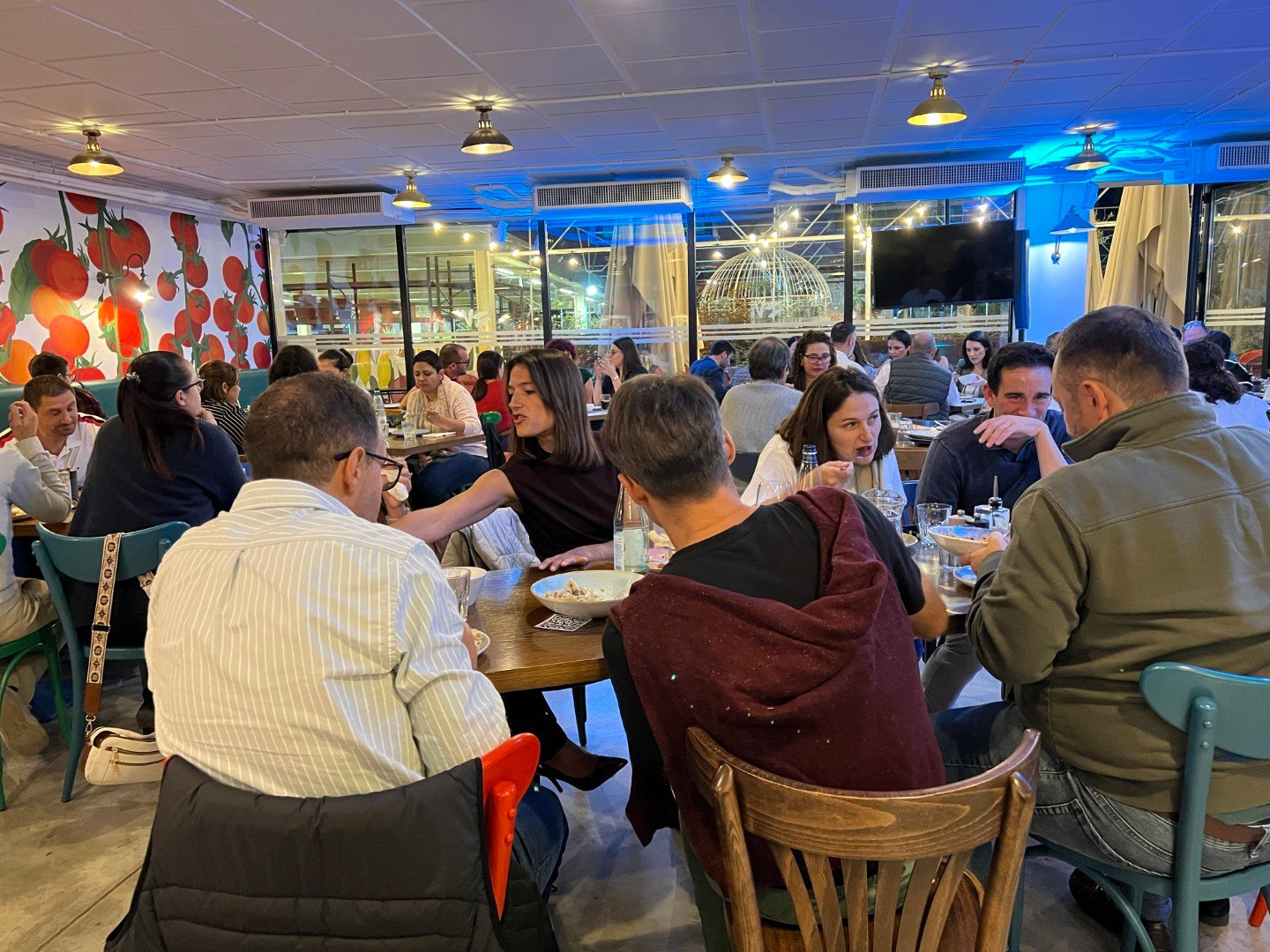
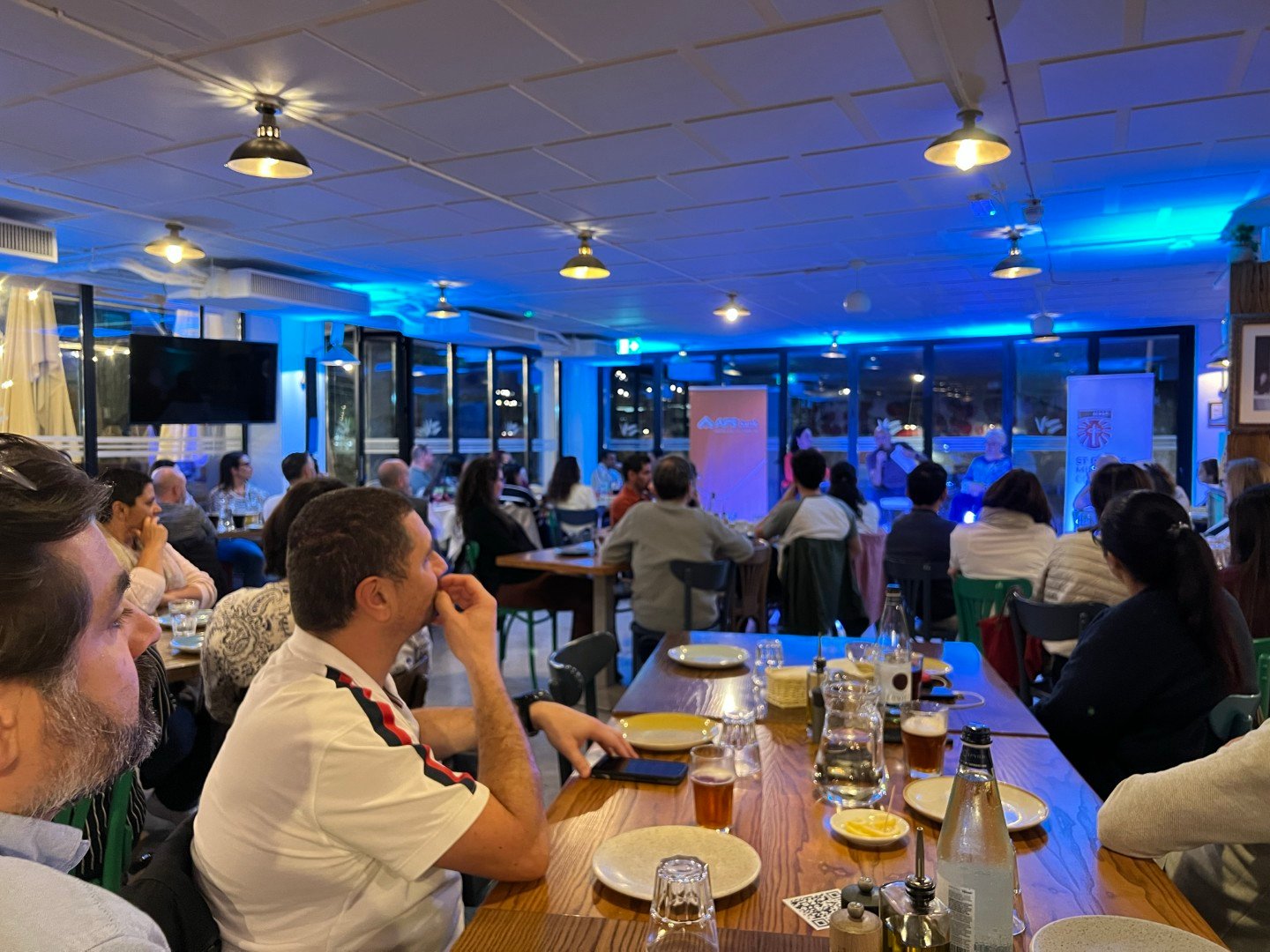
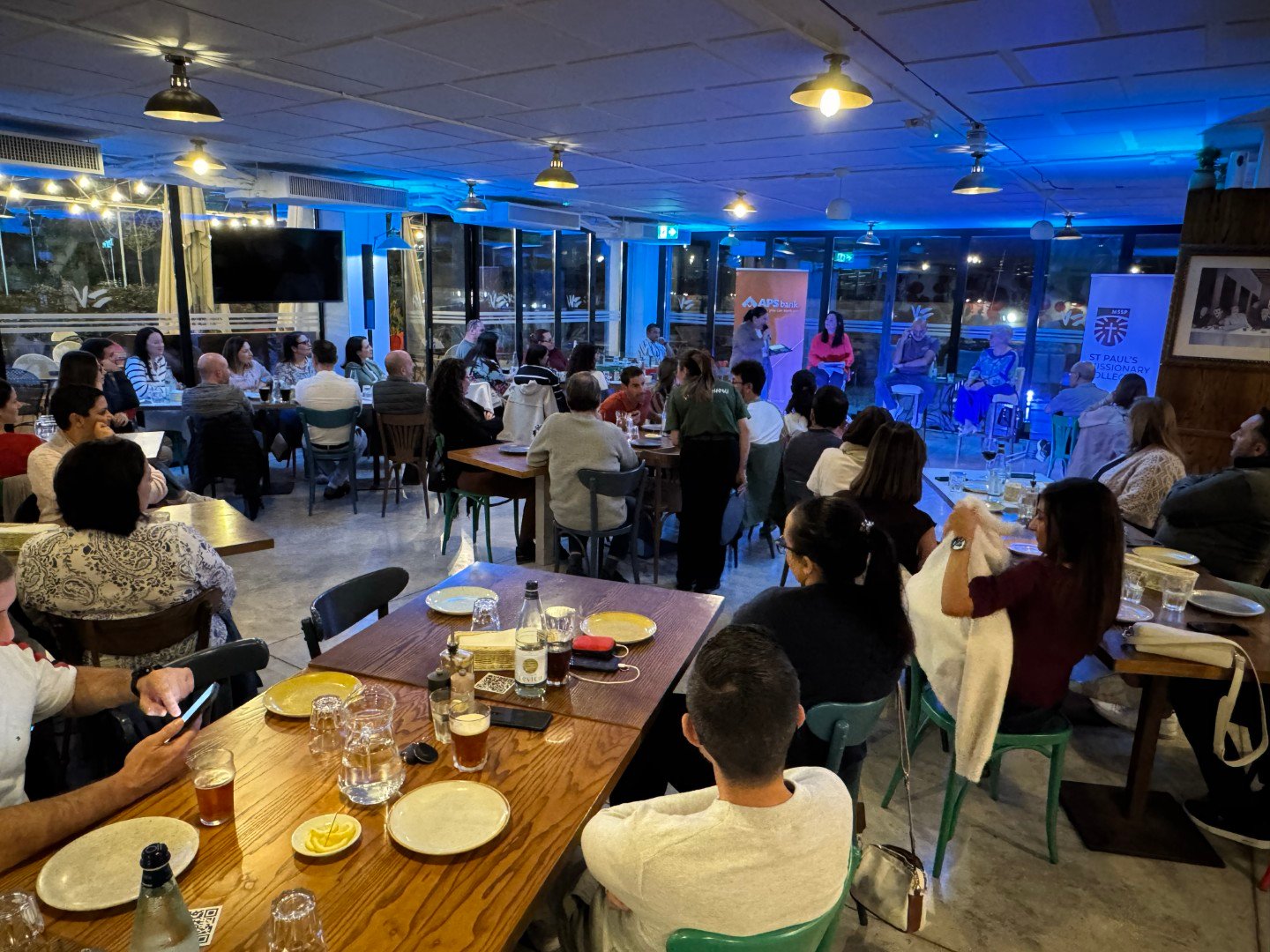
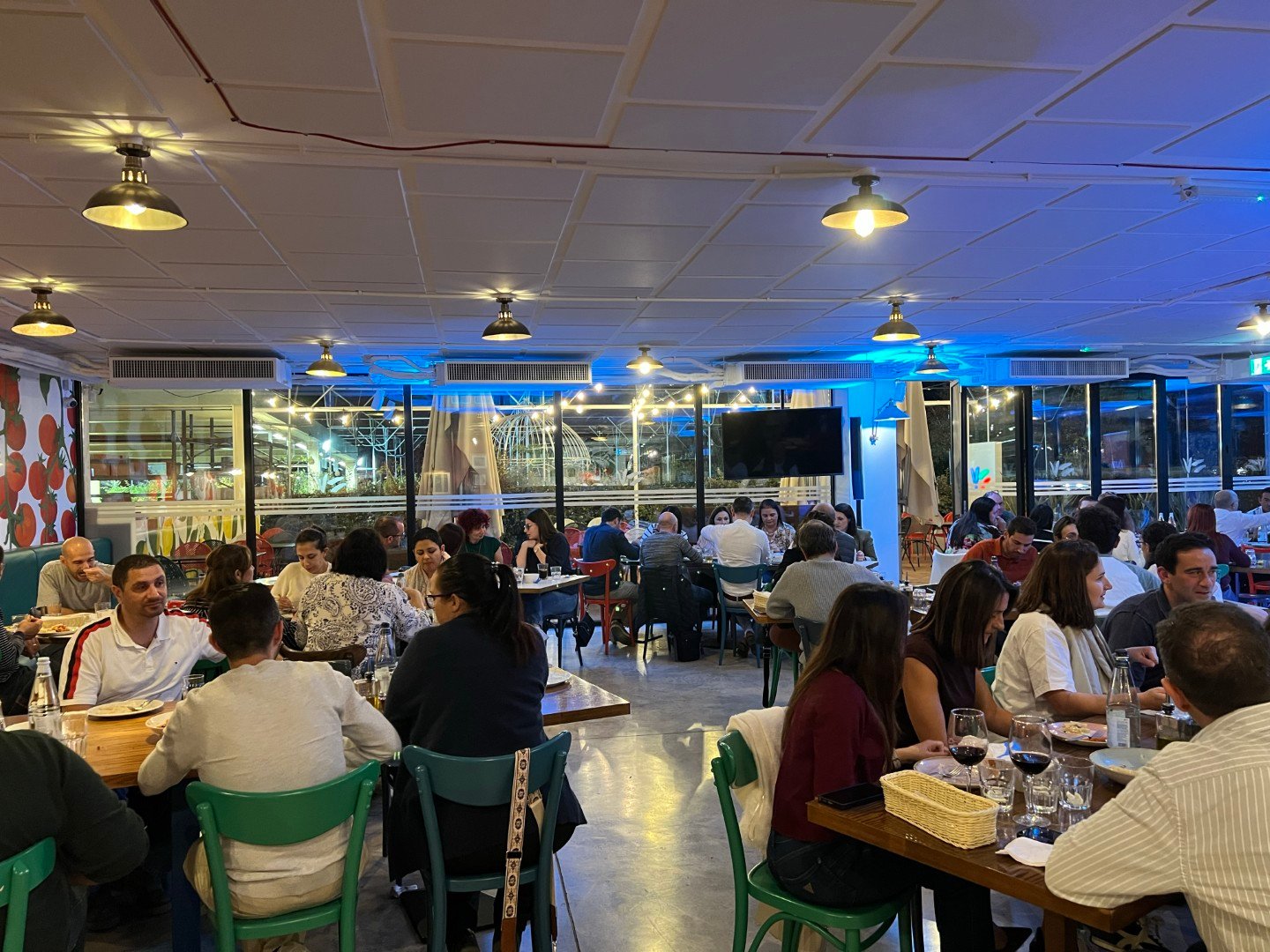
The pressure to give children every opportunity was a recurring theme at the latest Bible&Beer evening, organised by St Paul’s Missionary College for parents and staff as part of its commitment to ongoing formation. The well-attended event took place at Vecchia Napoli, Ta’ Qali, with partial sponsorship from APS Bank.
The evening explored “Time Management: Is there space for family time?” The subject emerged from feedback at previous Bible&Beer gatherings, reflecting parents’ concerns about balancing their children’s needs, their own commitments and time together.
Through these evenings, the College creates opportunities for parents and staff to reflect on the challenges of family life, share experiences and learn from one another. This discussion offered space to examine those pressures without judgement, or another list of things parents should be doing.

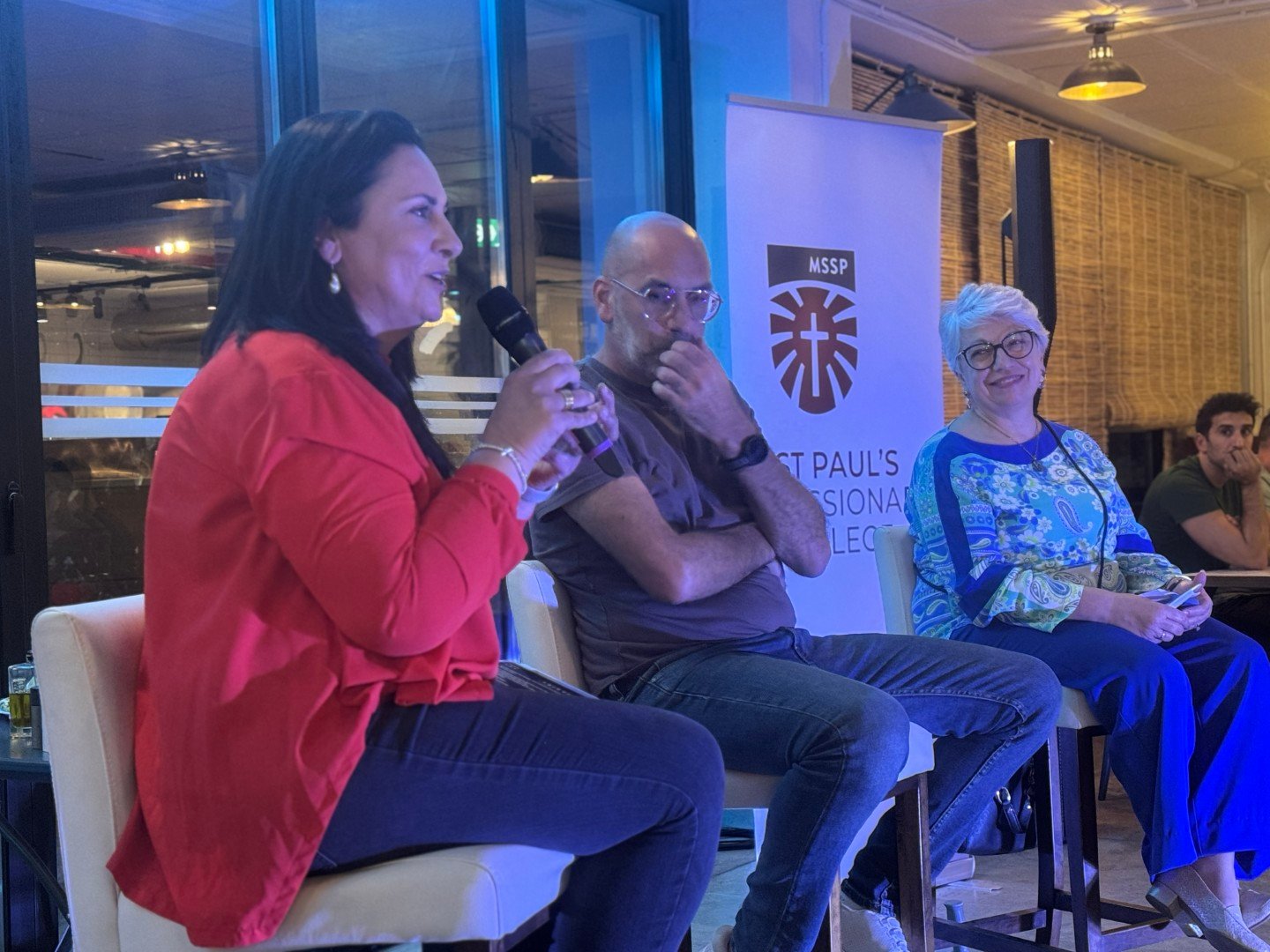
For Dr Renzo Kerr Cumbo, an old boy of St Paul’s Missionary College, a parent and an experienced football coach, shared that part of the difficulty lies in how families understand success. Parents act out of love and want to give their best. Yet a child’s disobedience or difficulties can leave them feeling they have failed. The same anxiety can follow children onto the football pitch or into other activities, where participation gradually becomes a demand to excel.
Dr Kerr Cumbo questioned the assumption that children must always be pushed towards the next achievement. There is value in developing a talent and doing one’s best, he suggested, but there must also be room to rest and sometimes do nothing.
His priority was clear: a happy child matters more than an outstanding footballer. Protecting that priority can require parents to make difficult choices, including saying no to commitments that take them away from their families.
RTK103 presenter Christine Delicata brought a personal perspective to the question of how much is enough. She recalled wanting to give her children opportunities she had not had herself, particularly in the arts. That desire was understandable, but activities also brought demands on the whole household. Choosing options close to home was one practical way her family had tried to manage them. She invited parents to consider an uncomfortable question: would their children be all right without some of these activities?
In a busy household, she observed, the rush can become so familiar that nobody stops to question it. Families follow what others are doing, while guilt can lead parents to take over tasks their children should be learning to manage.
Delicata also spoke about wanting to pass on her faith while finding that the pace of life left little space for it. Shared meals were one daily commitment she valued: an opportunity to show interest in one another’s day, without waiting for a special occasion.
Dr Anna Vella, a medical doctor with extensive experience in addiction care and a former President of the Cana Movement, emphasised that children within the same family may need very different things.
Parents need time to talk about those differences, recognise strengths and difficulties, and consider what each child actually needs. Extracurricular activities, she suggested, should offer enjoyment and positive experiences, rather than become another arena for competition.
She also challenged parents to consider how much they do on their children’s behalf. Supporting a child includes allowing them to solve problems, take responsibility and learn from consequences. Family life involves everyone contributing.
The conversation extended beyond parenting to the couple themselves. Amid the logistics of caring for children, Dr Vella urged parents to make time to sit down, talk and attend to their own relationship.
Across the three contributions, success as a family emerged as something worth discussing, rather than simply assuming. It might mean fewer journeys, a child enjoying an activity without excelling at it, or an ordinary meal together.
Making room for those moments begins with deciding what deserves a place in the diary.